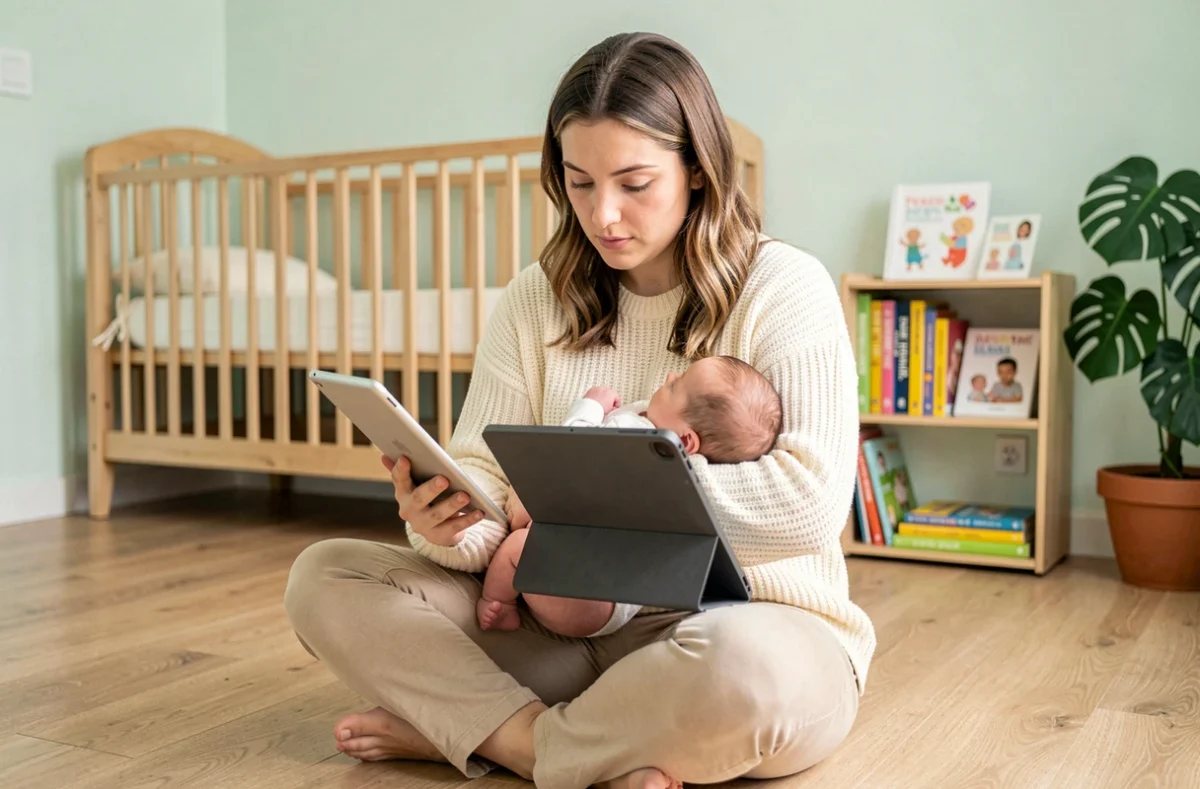
Between institutional portals, parenting blogs, forums, and mobile apps, the volume of advice available on baby well-being far exceeds what any parent can take in. Sorting through these resources requires clear reliability criteria, not just time. This article compares the main types of online sources, explains what sets a reliable resource apart from an outdated page, and highlights the blind spots most guides fail to address.
Online resources on baby well-being: a comparison by resource type
Not all platforms meet the same needs. An institutional portal such as 1000-premiers-jours.fr covers health, nutrition, and development with content reviewed by Santé publique France. A parenting blog, by contrast, offers more detail on everyday experiences (sleep, massage, swaddling), but without a scientific review board. Forums provide peer support, but rarely offer up-to-date recommendations.
| Source type | Examples | Strengths | Limitations |
|---|---|---|---|
| Institutional portal | 1000-premiers-jours.fr, mpedia.fr, santé.fr | Reviewed content, updated in line with official recommendations | Sometimes broad in scope, with few real-life accounts |
| Specialist parenting blog | Blogs on baby massage, breastfeeding, babywearing | Detailed first-hand accounts, practical advice | No systematic scientific review, publication dates sometimes missing |
| Parent forum or group | Social media groups, dedicated forums | Quick exchanges, emotional support | Unverified information, risk of conflicting advice |
| Mobile app | Development tracking apps, vaccination reminders | Personalization, useful notifications | Sometimes opaque business models, personal data collection |
This table shows that no single type of source covers everything. Cross-checking an institutional portal with a specialist site reduces the risk of error. Parents who rely on just one category miss entire aspects of the subject or may follow outdated advice.
To quickly see which topics a site dedicated to ethical parenting covers, the Bébé Bonheur sitemap organizes its resources by category, making it easier to find your way around without having to search through every section.
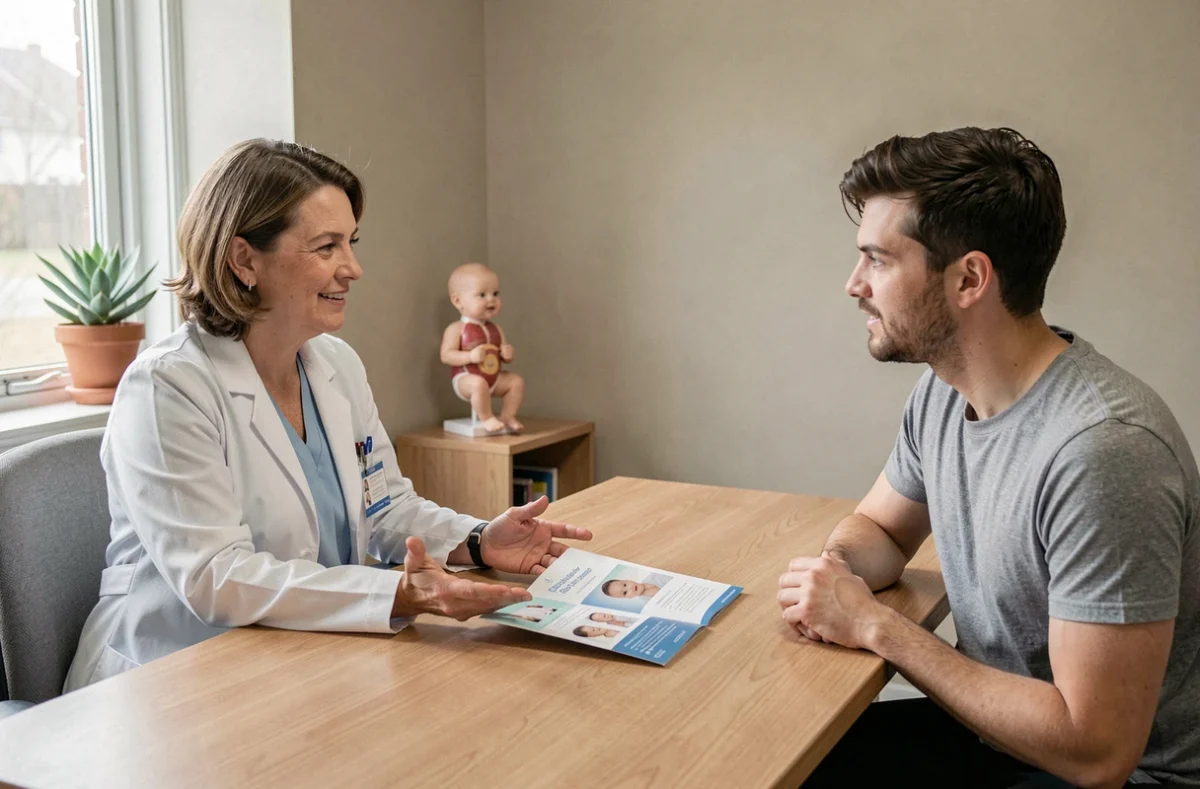
How reliable is baby health advice? Three criteria to check before following a recommendation
The Health Misinformation Observatory, established by the Ministry of Health, illustrates the scale of the problem: false information also circulates on perinatal topics. Checking the author, date, and references behind online advice is the bare minimum for filtering what is worth putting into practice.
The author or organization behind the content
An article written by an identifiable pediatrician or published under the auspices of an institution (Santé publique France, UNICEF) offers a higher level of trust than an anonymous text. On mpedia.fr, content is produced by the Association française de pédiatrie ambulatoire. This traceability makes a difference on topics such as safe sleep and infant feeding.
The date it was updated
Vaccination recommendations change regularly. A vaccination schedule viewed on an undated page may reflect practices that are no longer recommended. A page with no publication or update date is a warning sign, especially when it covers health or child development.
The references cited
Reliable content points to studies, reports, or official recommendations. The complete absence of sources in an article about infant care does not mean the advice is wrong, but it does mean it cannot be verified. For a parent, that distinction matters.
- Look for the author’s or organization’s name at the bottom of the page or in the “about” section
- Check for a publication date or last updated date
- See whether the article cites institutional sources or identifiable studies
- Compare the advice with at least one official portal (1000-premiers-jours.fr, santé.fr)
Parenting resources beyond articles: places to connect and parents’ mental health
Searching online for advice meets only part of the need. Some local authorities offer in-person support through services for new parents, including workshops, consultations, and opportunities for families to connect. Moving from an online search to local support can make a real difference to the quality of care.
The santé.fr portal has a section on mental health and parenting. Emotions during pregnancy, adjusting to the arrival of a child, parental burnout: these topics are rarely covered in standard guides to baby well-being. An overwhelmed parent looking for sleep advice for their baby may first need resources for themselves.

Screens and young children: a topic often missing from baby well-being portals
Screen exposure in very young children goes beyond the usual advice on sleep or nutrition, but it directly affects their development and safety.
Most portals dedicated to baby well-being do not include screen use in their main sections. It often appears in supplementary sections, if at all. For parents building a set of trusted information sources, adding this topic helps fill a common blind spot.
- Consult Santé publique France resources on screens and young children
- Check whether the parenting portals you follow cover the topic or leave it out
- Distinguish recommendations based on public health data from unsupported opinions
The most useful resources are not always the most visible. Parents who combine an institutional portal, a specialist site, and a local place to connect have a stronger foundation than readers who rely on a single source. What sets two pieces of content on a child’s health or development apart is traceability: an identifiable author, a recent date, and verifiable references.