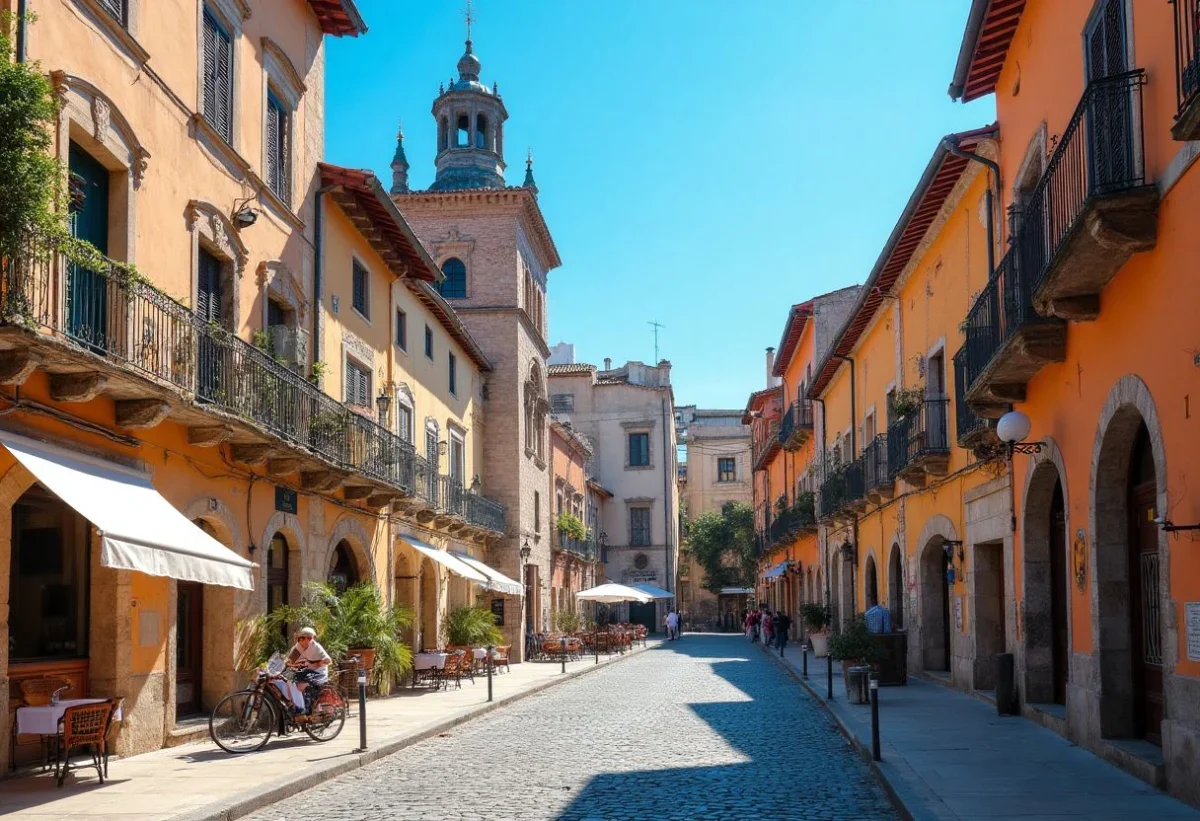
Heritage, a concept deeply rooted in our culture, goes far beyond mere historical monuments or priceless works of art. It is a living legacy, a silent witness of past societies, shaping our identity and influencing our contemporary values. Understanding heritage means connecting to our history, our traditions, and the evolution of the world around us. Every stone, every oral tradition, and every artistic work tells a unique story, offering a rich and diverse perspective on our current society.
The different forms of heritage
Heritage is divided into several categories, each playing an essential role in preserving our culture and history.
Tangible heritage and intangible heritage illustrate the different facets of what we commonly call heritage. Monuments, archaeological sites, and works of art fall into the first category. They are tangible witnesses of history, allowing us to understand and analyze the lifestyles of past civilizations. Intangible heritage, on the other hand, concerns oral traditions, social practices, rituals, and festive events. It represents a set of customs and practices that are passed down from generation to generation, ensuring cultural continuity. Finally, it is worth mentioning natural heritage, which includes landscapes, nature reserves, and ecosystems. The latter reminds us of our unbreakable bond with nature and the importance of preserving it for future generations.
The importance of heritage for cultural identity
The role of heritage in the construction and maintenance of a people’s cultural identity is undeniable and complex.
In many cases, it helps strengthen the sense of belonging to a community. Local traditions and customs, when preserved and celebrated, allow individuals to identify with a group and find meaning in their existence within it. Moreover, heritage plays a crucial educational role, providing younger generations with a deep understanding of their past. The transmission of ancestral knowledge and practices helps to preserve historical roots and adapt them to contemporary challenges. This fosters a more harmonious approach to coexistence among different cultures and encourages mutual respect.
The challenges of heritage preservation
Ensuring the survival of heritage in a constantly evolving world presents numerous challenges, particularly regarding its conservation and enhancement.
- Urban pressure and infrastructure projects often threaten historical sites, necessitating coordinated actions to protect these invaluable treasures.
- Armed conflicts and natural disasters also pose significant dangers to heritage preservation.
- Globalization and the homogenization of cultures present another challenge by diluting distinct cultural identities.
In the face of these challenges, governments, international organizations, and local communities must collaborate to develop effective preservation strategies. Exploring the complex dynamics of cultural transmission can lead us to learn more about innovative methods for protecting and promoting heritage.
The role of new technologies in heritage conservation
In the digital age, new technologies offer powerful tools for the conservation and enhancement of heritage.
The digitization of archives and works of art allows for the creation of high-resolution digital copies, ensuring their preservation in case of physical deterioration. Virtual and augmented reality provide immersive experiences, allowing users to discover historical sites from anywhere in the world, thus creating a bridge between the past and the present. Social media also plays a crucial role in raising awareness and engaging the public in heritage preservation. By disseminating information and campaigns on global platforms, it becomes possible to reach a wide audience and strengthen collective awareness of the importance of safeguarding our common heritage.