Belgium, nestled in the heart of Europe, occupies a strategic position for international trade. With its developed transport infrastructure, choosing a carrier can nonetheless prove complex. The diversity of available options, ranging from road transport services to maritime solutions, including air freight, requires thorough analysis to determine the best choice based on the specific needs of businesses and individuals.
Essential criteria for selecting a carrier
When choosing a carrier for Belgium, several criteria must be taken into account. These go beyond just financial aspects and include delivery times, reliability, and the extent of geographical coverage.
1. Reliability and reputation: Reliability is paramount. A carrier known for its punctuality and the security of its deliveries deserves special attention. Look for customer reviews and testimonials to ensure that the carrier enjoys a solid reputation.
2. Geographical coverage: Ensure that the carrier has geographical coverage suited to your needs. For exchanges between France and Belgium, for example, it is crucial that the carrier is familiar with the routes and cross-border formalities.
3. Costs and services offered: Compare the rates offered and the services included. Some carriers provide additional options such as real-time tracking of parcels or insurance solutions.
Main types of carriers
Belgium benefits from various modes of transport. Each type of carrier presents specific advantages depending on the shipping requirements.
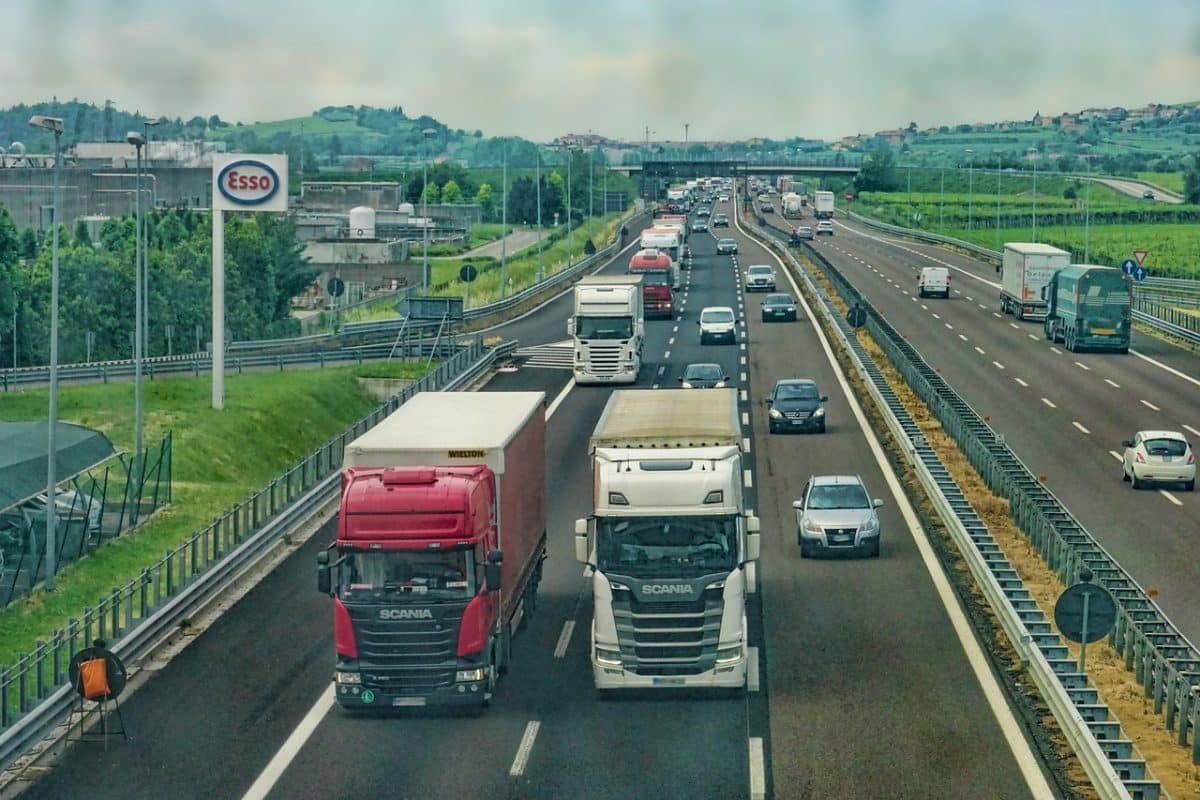
- Road transport: Often favored for its flexibility and speed, road transport is ideal for direct deliveries within Belgium. Companies like DPD and Geodis are renowned for their quality services.
- Maritime transport: For transporting bulky or heavy goods, maritime transport is a cost-effective option. Belgian ports, such as Antwerp, play a key role in international trade.
- Air transport: For urgent or high-value shipments, air transport is the fastest solution. Companies like DHL and FedEx offer reliable services to and from Belgium.
Specificities of international transport Belgium
International transport Belgium requires special attention to customs regulations and specific requirements related to import and export. Companies must comply with strict rules to avoid delays and complications.
Regarding international transport Belgium, understanding customs formalities is essential. Carriers must be aware of the required documents for customs clearance and master the import and export procedures.
Another crucial aspect is compliance with safety and quality standards. The transport of certain goods, such as food products or chemicals, is subject to strict regulations. Carriers must ensure that their services meet these requirements to avoid any administrative or legal issues.
Choosing between a local and an international carrier
The choice between a local carrier and an international carrier depends on the specific needs of the shipper. Each presents distinct advantages.
Local carriers: Often, local carriers offer in-depth knowledge of the Belgian territory, which can result in faster deliveries and efficient management of local formalities. They may also provide competitive rates for domestic shipments.
International carriers: International carriers have extensive networks and proven logistics for cross-border shipments. They are generally better equipped to handle complex shipments and offer complementary services such as real-time tracking and cargo insurance.
Ultimately, the choice of a carrier for Belgium relies on a careful analysis of the specific needs of the shipment, the nature of the goods, and time constraints. Selecting the right provider can significantly influence the success of trade exchanges and the satisfaction of end customers.