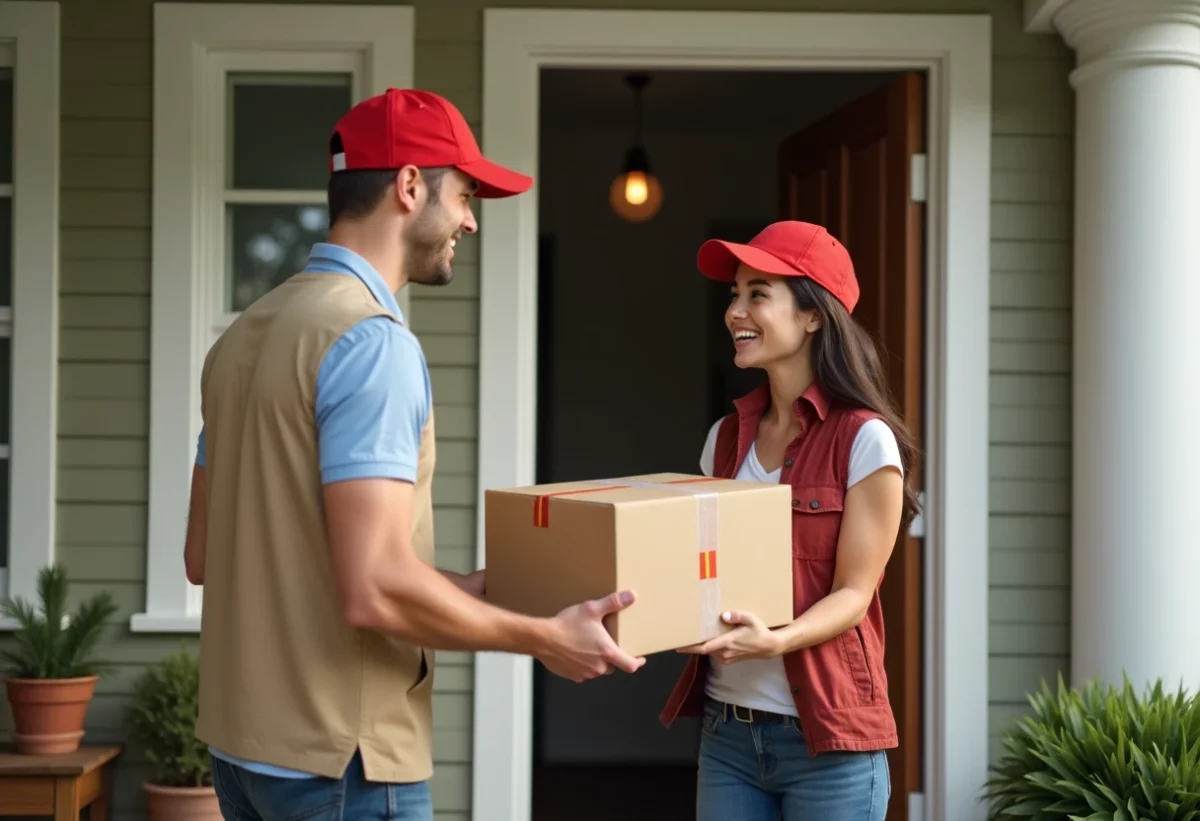
The unexpected disappearance of a key player in the parcel delivery sector has sent shockwaves through consumers and businesses. This upheaval raises questions about the future of delivery services and the alternatives available to meet growing demand.
In response to this gap, several startups and innovative companies are seeking to position themselves as potential replacements. Among them, more eco-friendly solutions and cutting-edge technologies, such as drone delivery or autonomous vehicles, are on the rise. Consumers and businesses will need to adapt to these new options to ensure the reliability and efficiency of their deliveries.
Impact of the disappearance of a major player on the parcel delivery market
The end of a leading player in parcel delivery disrupts the logistics landscape. Urban logistics experts are already observing significant changes, particularly in the last mile delivery. This fundamental step, which involves transporting parcels from the distribution center to the end customer, is undergoing a profound transformation.
Repercussions on costs and service segmentation
Operational costs are rising, directly affecting delivery rates. Specialized companies must rethink their strategies to maintain competitive prices. The segmentation of urban logistics offerings is increasing, with a greater diversification of services provided:
- Home delivery
- Delivery to the workplace
- Out-of-home delivery via OOH networks
Innovations and adaptation of companies
Companies have no choice but to innovate to remain competitive. Solutions for collaborative parcel delivery, the development of pickup points, and automated lockers are alternatives that are multiplying. The company Colieco, for example, offers an eco-friendly approach with electric vehicles, thereby reducing CO2 emissions.
Impact on customers and customer relationships
Customers, whether individuals or businesses, must adapt to these new delivery methods. Customer relationships are becoming a central issue, with increased demand for flexible services, such as express delivery and delivery on evenings and weekends. Companies must optimize their routes to minimize costs and improve their efficiency.
This upheaval in the parcel delivery market calls for collective reflection on optimizing transport, reducing road traffic, and seeking sustainable solutions.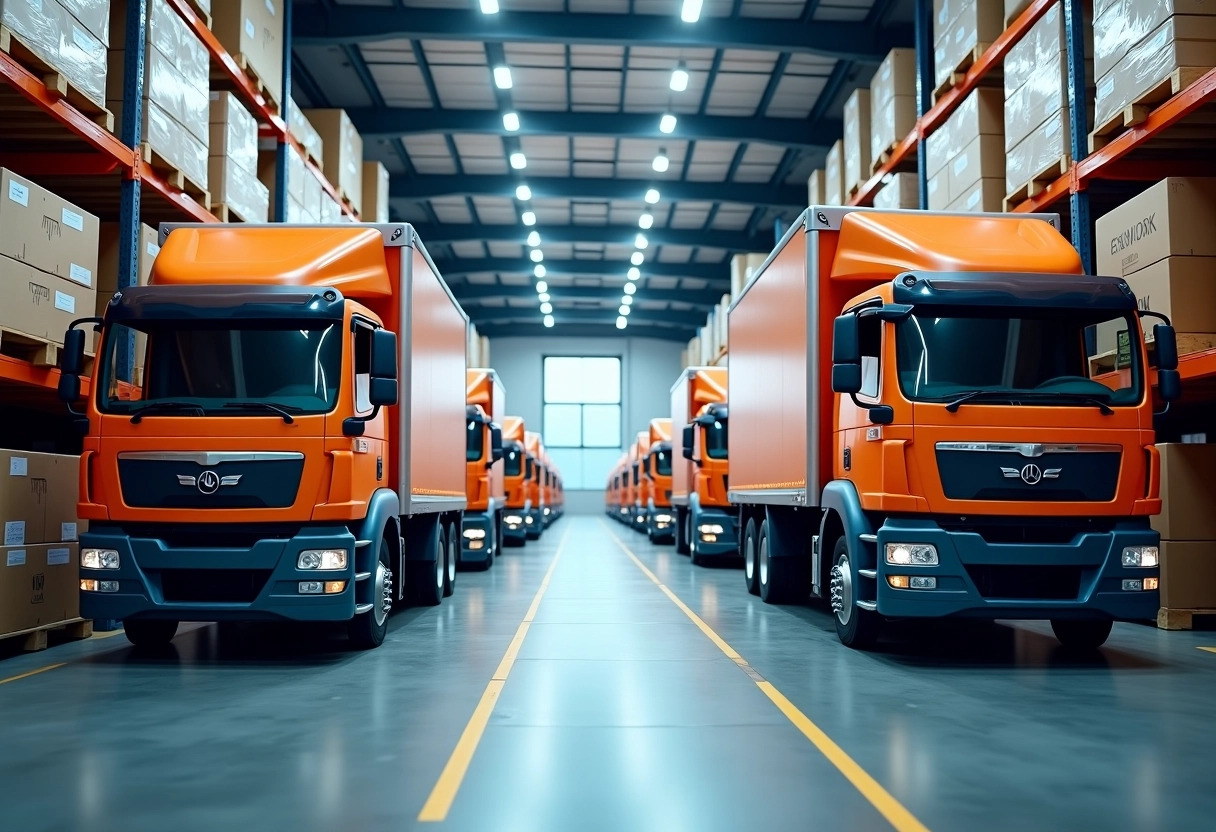
What alternatives for consumers and businesses?
The disappearance of a leading player in parcel delivery forces consumers and businesses to explore new logistical solutions. Several alternatives are emerging to fill this gap, each with its specific advantages.
Pickup points and automated lockers
- Pickup points: Located in local businesses, they offer increased flexibility for parcel pickups, often extending to evenings and weekends.
- Automated lockers: These automated lockers, accessible 24/7, allow customers to retrieve orders at any time, thereby reducing dependence on delivery schedules.
Collaborative delivery and electric vehicles
Collaborative parcel delivery, where individuals take on the task of delivering parcels in their neighborhood, offers an economical and eco-friendly alternative. The use of electric vehicles by some companies also contributes to reducing CO2 emissions.
Express and ultra-fast solutions
Express and ultra-fast delivery services are gaining popularity, responding to the growing demand for ever-shorter delivery times. These services, although more expensive, provide an ideal solution for urgent deliveries.
Integration of artificial intelligence
The integration of artificial intelligence in supply chain management allows for optimizing delivery routes, reducing operational costs, and improving the efficiency of logistics services. Sophisticated algorithms predict order volumes and adjust resources accordingly.
Increased flexibility for businesses
Companies must adapt their delivery offerings based on the specific needs of their customers, providing varied services such as home delivery, delivery to the workplace, or out-of-home delivery via OOH networks. This flexibility is crucial for maintaining customer satisfaction and standing out in a rapidly changing market.