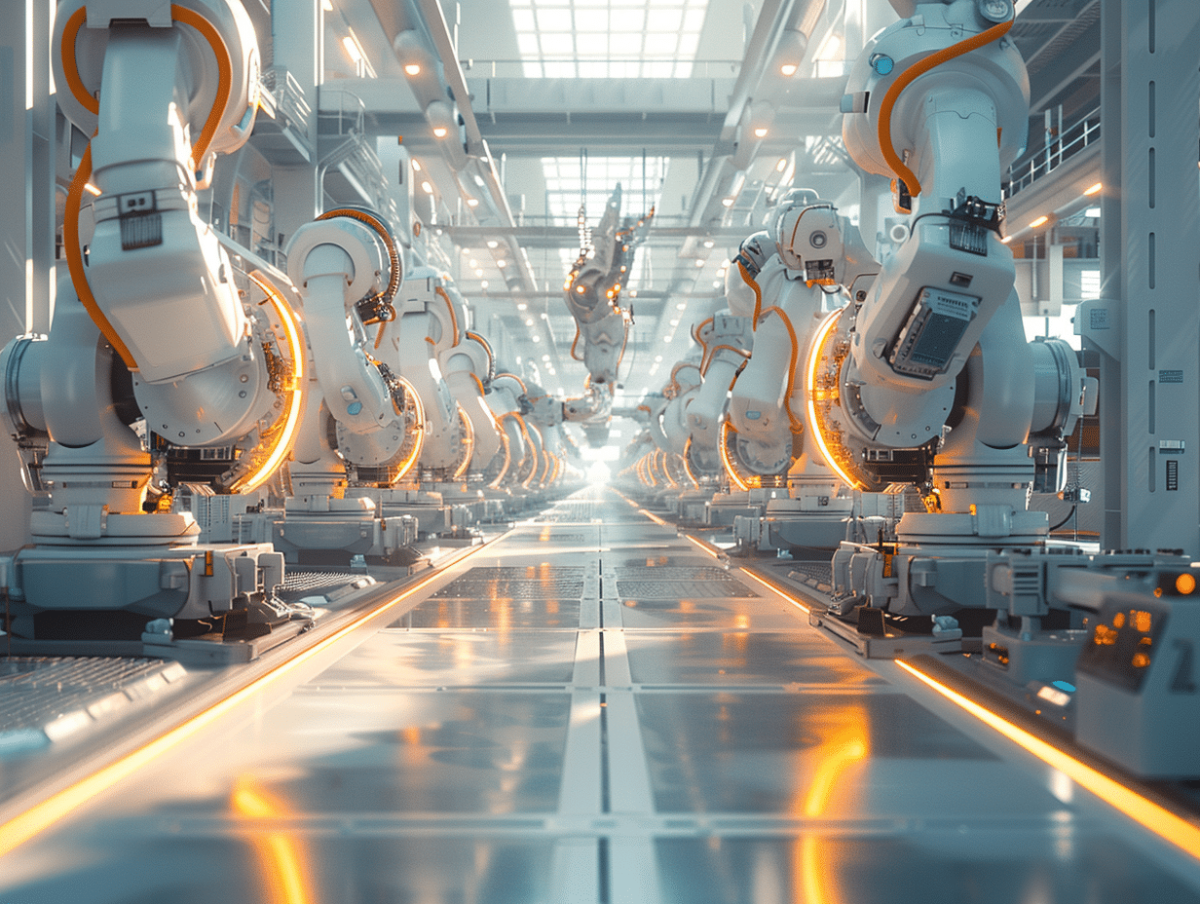
Automated systems are gradually invading all aspects of our daily lives, transforming the way industries and households operate. At the heart of this revolution lies an optimized use of energy, a key factor in their efficiency. These devices, whether industrial robots, autonomous vehicles, or smart homes, rely on sophisticated algorithms and advanced sensors to minimize waste and maximize performance.
The energy efficiency of these systems is fundamental to their economic and environmental viability. By reducing energy consumption, companies can lower operational costs while adhering to ecological standards. Advances in renewable energy sources and storage technologies enable these systems to be supported sustainably, paving the way for a greener and more efficient future.
The basic principles of automated systems
Automated systems represent a major technological advancement, integrating electronic components, software, and sensors to perform tasks autonomously. Their design is based on several fundamental principles.
Automation and control
An automated system executes commands using a source of energy, whether it be electricity, fuel, or renewable energy. This involves:
- Sensors: these devices collect data about the environment or the ongoing process.
- Controllers: they process the received information and make decisions based on sophisticated algorithms.
- Actuators: these elements convert decisions into physical actions, thereby altering the process or environment.
Human-machine interfaces
Human-machine interfaces (HMIs) are another fundamental aspect of automated systems. They allow users to interact with the systems, monitor performance, and modify parameters as needed. Modern HMIs offer intuitive and visual interactions, thus facilitating management and maintenance.
Building automation management
In the field of building automation management, automation systems (BAS) play a crucial role. They enable significant reductions in energy and maintenance costs, sometimes reaching up to 30%. Companies like Automated Logic and Schneider Electric provide advanced solutions to optimize energy consumption and improve infrastructure performance.
Partnerships and innovations
Collaborations between companies, such as that between Automated Logic and Nlyte, aim to provide integrated data center management solutions (IDCM). These partnerships facilitate the development of cognitive buildings, linking data from IT infrastructure to energy and thermal management, thereby ensuring increased efficiency.
These basic principles of automated systems demonstrate how a judicious use of energy and advanced technologies can transform the way we work and live.
The role of energy in the efficiency of automated systems
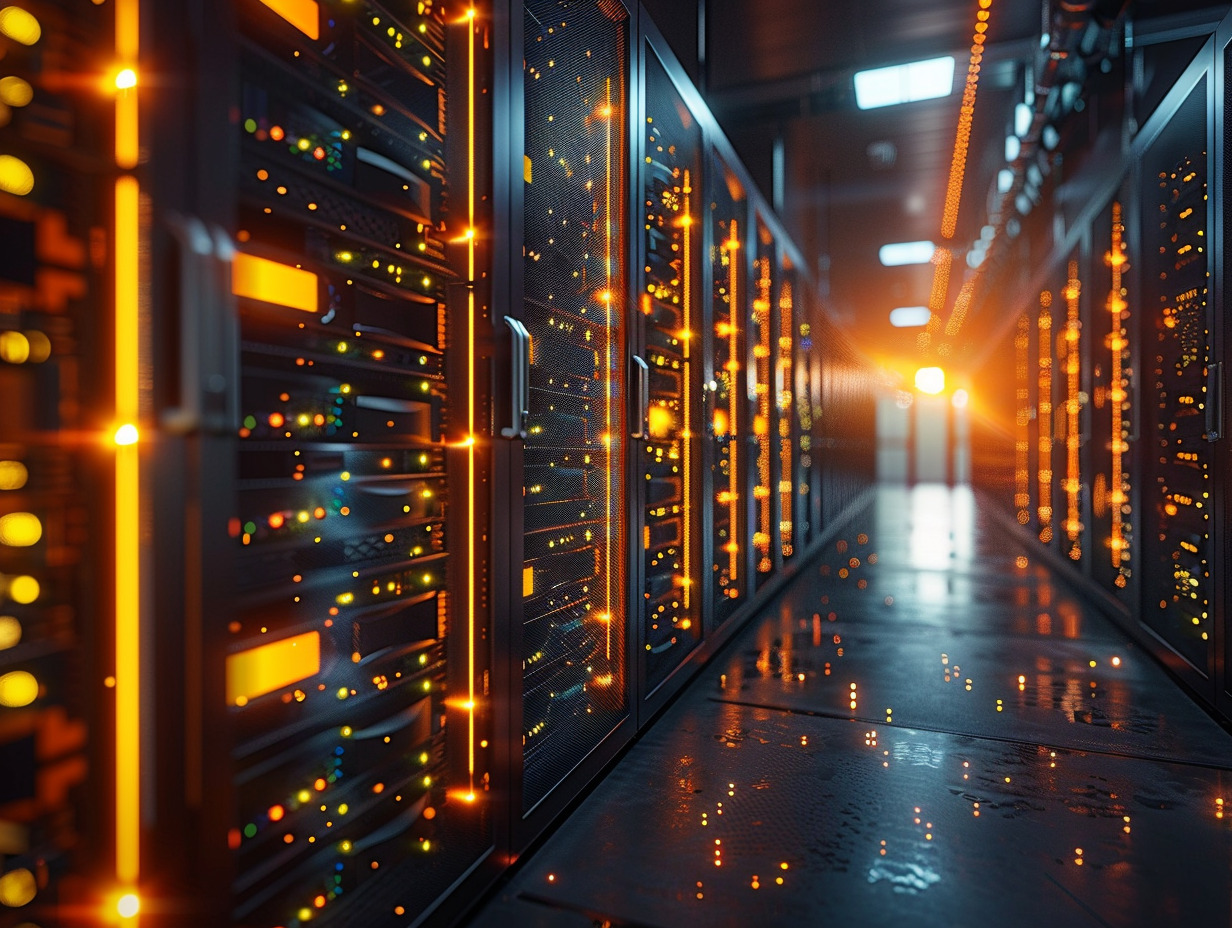
Energy is at the core of the functioning of automated systems, directly influencing their efficiency and performance. Energy management solutions, such as energy management systems (EMS), play a fundamental role in optimizing energy consumption. These systems allow for the monitoring, controlling, and optimizing of energy use in various contexts, whether in buildings, factories, or data centers.
Reuniwatt, for example, has developed AI-based technology to predict solar energy production. This approach enables better integration of renewable energies into automated systems. Quadran Energies Marines also uses AI to optimize offshore wind energy production, thus demonstrating the importance of artificial intelligence in enhancing energy efficiency.
Enedis, for its part, optimizes electrical networks and energy demand management in data centers through AI. These technological advancements allow for cost reductions and improved energy performance of infrastructures. The ISO 50001 standard, which governs energy management systems, and the ISO 14064 standard, which concerns the quantification and reduction of greenhouse gas emissions, are essential references for companies looking to improve their energy performance.
Partnerships between companies, like that between AWS and METRON, illustrate the importance of collaboration in developing innovative solutions. METRON offers cloud-based EMS solutions, thus facilitating centralized and efficient energy management.
Energy, as a resource and strategic issue, remains a fundamental pillar for the efficiency of automated systems.